
Ozempic & Semaglutide Articles
Clear, plain-English articles about Ozempic, semaglutide, GLP-1 medications, side effects, user reviews, online safety, cost questions, and the claims people see across Google, TikTok, Reddit, and the wider weight-loss conversation.
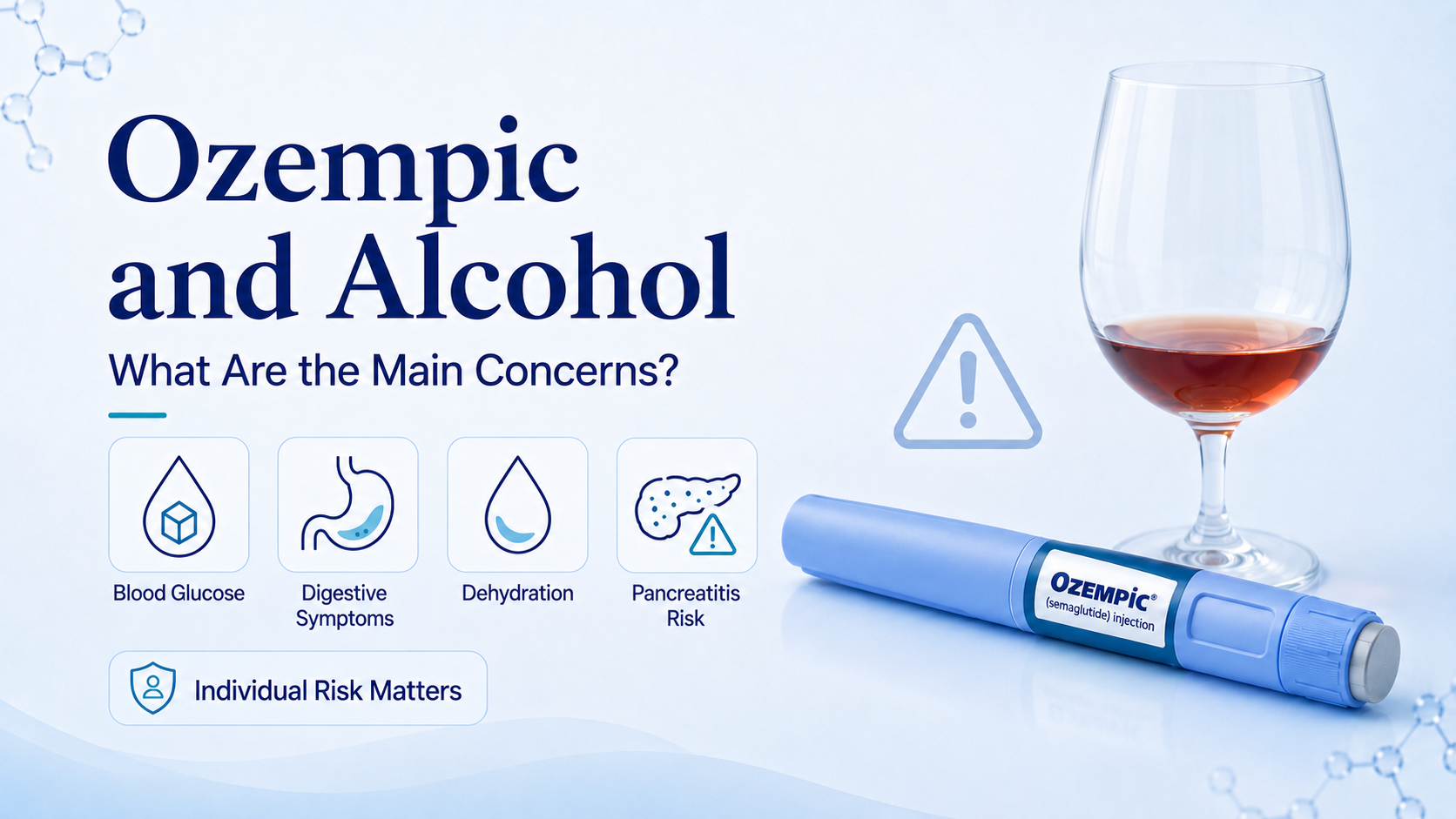
Ozempic and Alcohol: What Are the Main Concerns?
If you are taking Ozempic and wondering whether you can enjoy a drink, the short answer is that alcohol is not explicitly banned, but it is not risk-free for everyone. Because both semaglutide and alcohol influence blood sugar management and gastrointestinal function, drinking can trigger unexpected stomach discomfort or low blood glucose—especially if you take other diabetes medications.
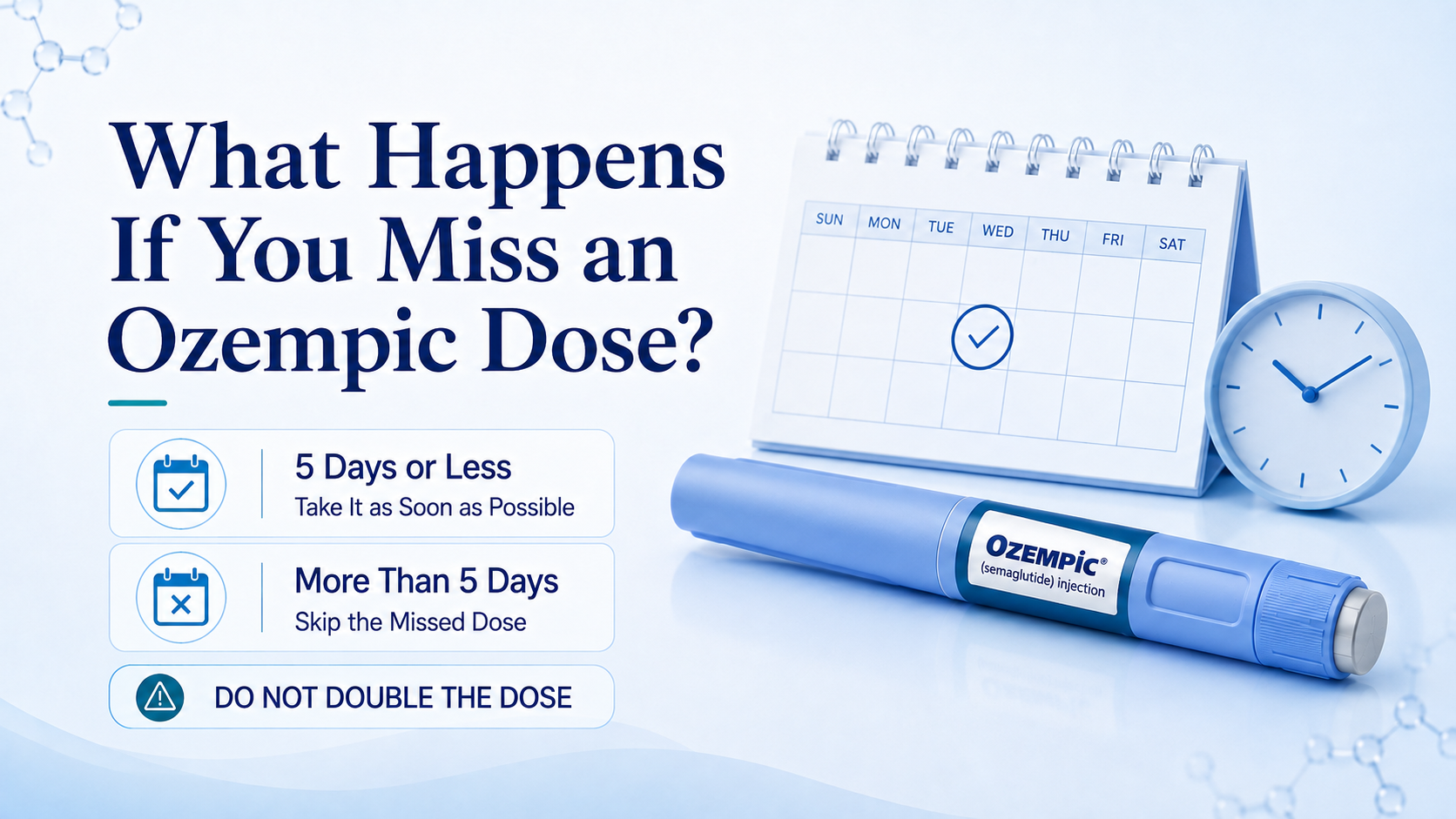
What Happens If You Miss an Ozempic Dose?
Realizing you forgot your weekly Ozempic (semaglutide) injection can be stressful, but a single late dose is easy to manage. Because semaglutide stays in the body for a relatively long time, official medical guidelines provide clear rules on whether you should take your dose late or skip it altogether depending on how many days have passed.
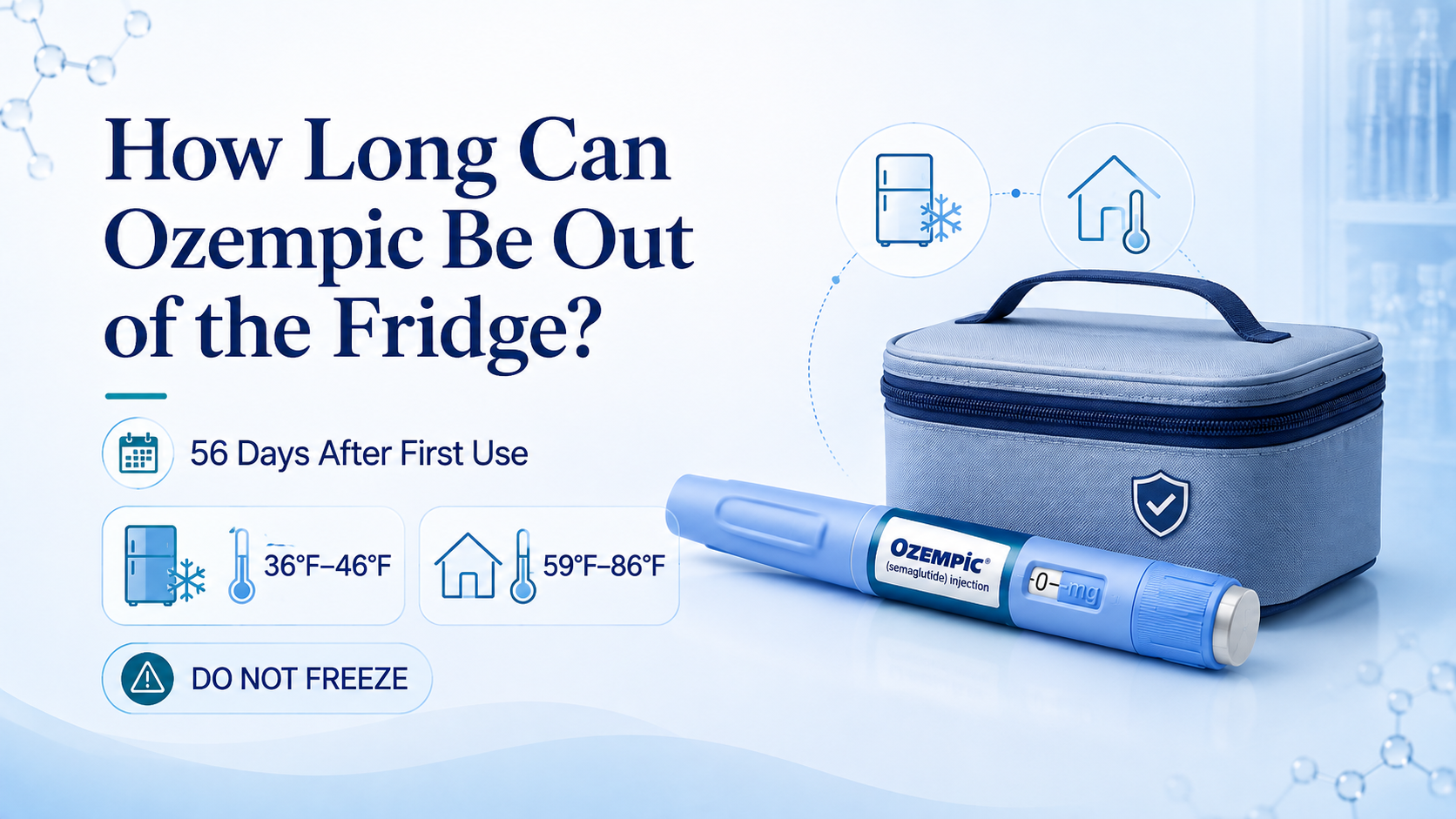
How Long Can Ozempic Be Out of the Fridge? Storage Guide
You can keep a used Ozempic injection pen out of the fridge for up to 56 days, provided it stays at room temperature between 59°F and 86°F (15°C to 30°C). Unused pens must be stored in the refrigerator until their first use; do not automatically apply the 56-day rule to an unopened pen left at room temperature without checking with a pharmacist or Novo Nordisk first. For general background on treatment, read what Ozempic is and how it works, or continue below for detailed storage and travel guidelines.
Ozempic News in 2026: Recalls, Shortages, Studies, and FDA Updates
Ozempic news 2026: shortage is over, but FDA compounding bans, counterfeit pens, recalls, lawsuits, and new studies still affect patients. Here's what to know.
Ozempic Weight Loss Results at 6 Weeks: What’s Typical and What’s Not
Six weeks on Ozempic often lands with a quiet shrug rather than a social-media-worthy reveal. Many people see little to no weight change, and that’s not a sign the medication is failing. The early weeks are about helping your body adjust, not shedding pounds—the reality behind the headlines is far less cinematic.
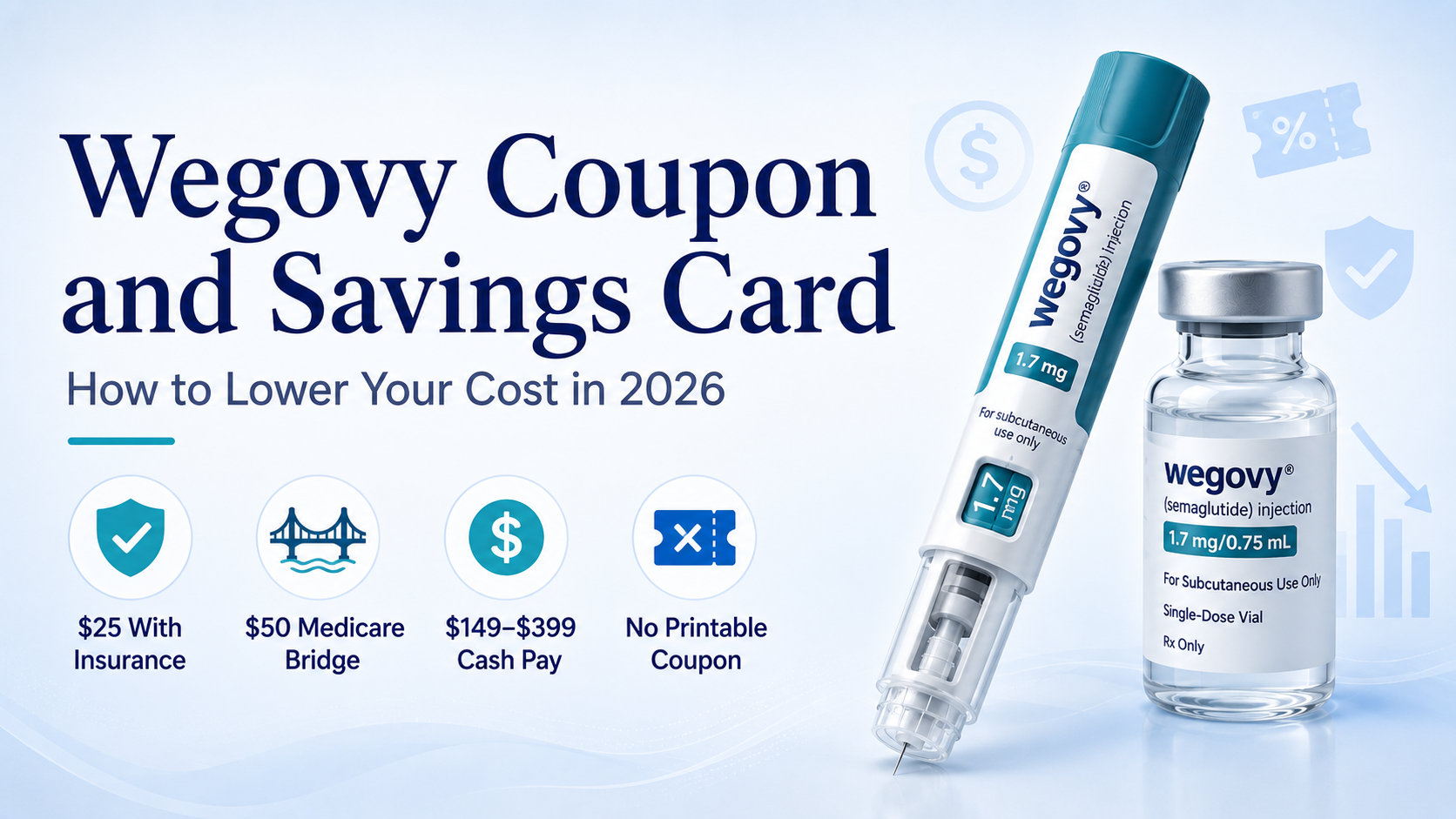
Wegovy Coupon and Savings Card: How to Lower Your Cost in 2026
That ,349 pharmacy quote can send anyone scrambling for a Wegovy savings card — but no printable coupon exists. Instead, a manufacturer offer, a limited-time Medicare bridge, and direct cash pricing can slash your cost to as low as $25 a month.
How Much Does Ozempic Cost Per Month in 2026?
Cost of Ozempic per month in 2026: See real prices, from $25 with insurance to ,028 list. Cash options via NovoCare/Costco drop to 99/mo. Get the facts.
Ozempic Penis: What This Side Effect Term Means and What to Expect
A viral term might suggest the drug has unexpected effects, but the truth is simpler—and tied to basic anatomy. When substantial weight loss shrinks the fat pad above the pubic bone, more of the penile shaft becomes visible, creating a perception of increased size without any actual tissue growth.
Ozempic and Vaginal Side Effects: What ‘Ozempic Vulva’ Really Means
If you’ve stumbled across “Ozempic vulva” and braced for the worst, take a breath: the viral nickname points to a real, treatable change, not a drug attack. Rapid weight loss from any cause drains the fat cushions that plump the labia and mons pubis, leaving temporary sagging that menopause often turns up, while large-scale data show no direct damage from the medication itself.
Ozempic Before and After
Scanning through “Ozempic before and after” photos online, you’ll see countless side-by-side shots of dramatic weight loss. But these images rarely reveal whether the person actually took the drug, and the bodily changes often labeled “Ozempic face” or “Ozempic butt” are simply the result of rapid weight loss itself, not a direct effect of semaglutide.
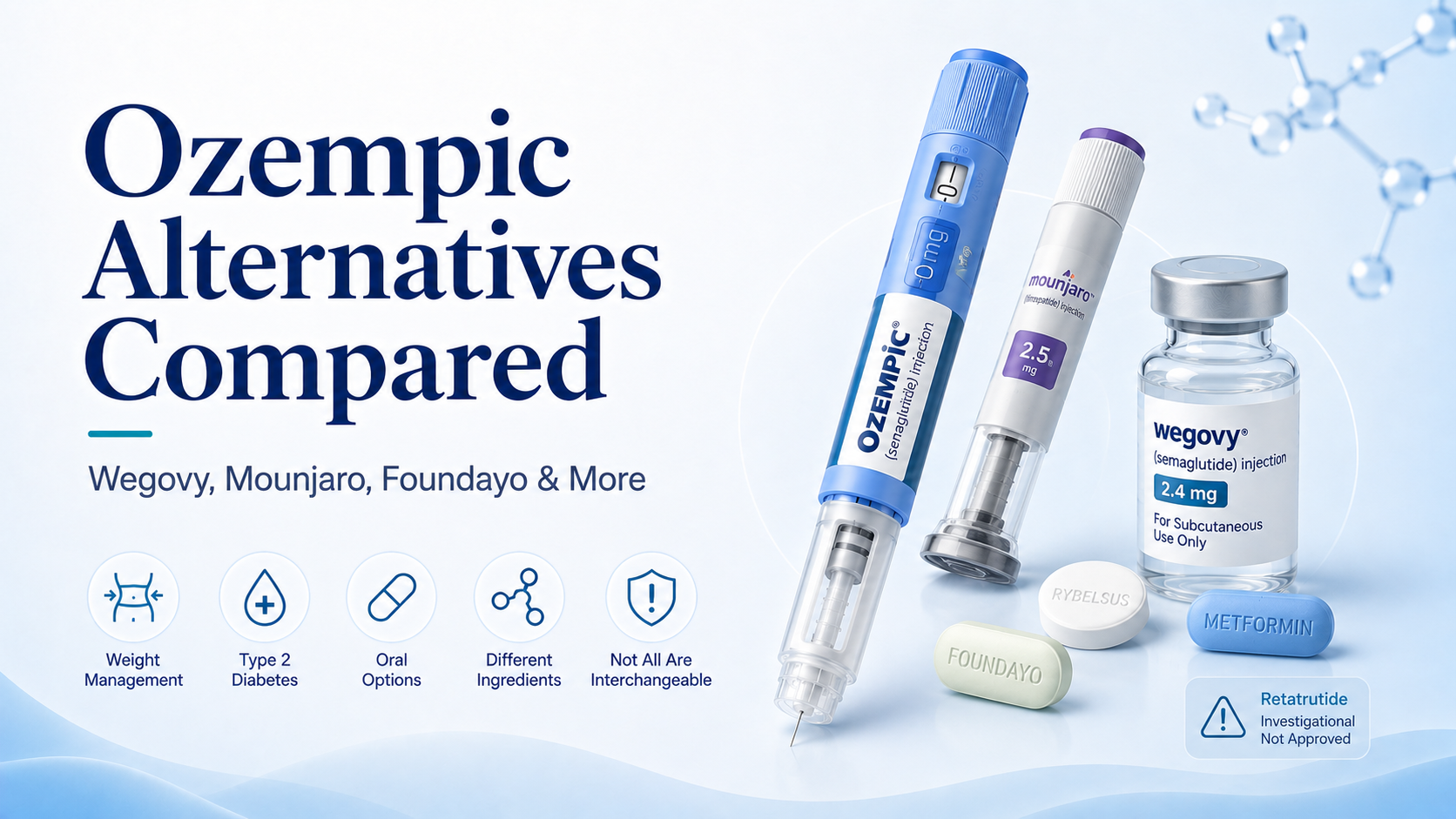
Ozempic Alternatives Compared
If you are searching for Ozempic alternatives because your current option is too expensive, not covered, hard to tolerate, or simply not the right fit, you are not alone. This guide compares the main alternatives people ask about — Wegovy, Mounjaro, Zepbound, Foundayo, Rybelsus, metformin, retatrutide, and compounded GLP-1 products — and explains how they differ by use, ingredient, cost, and approval status.
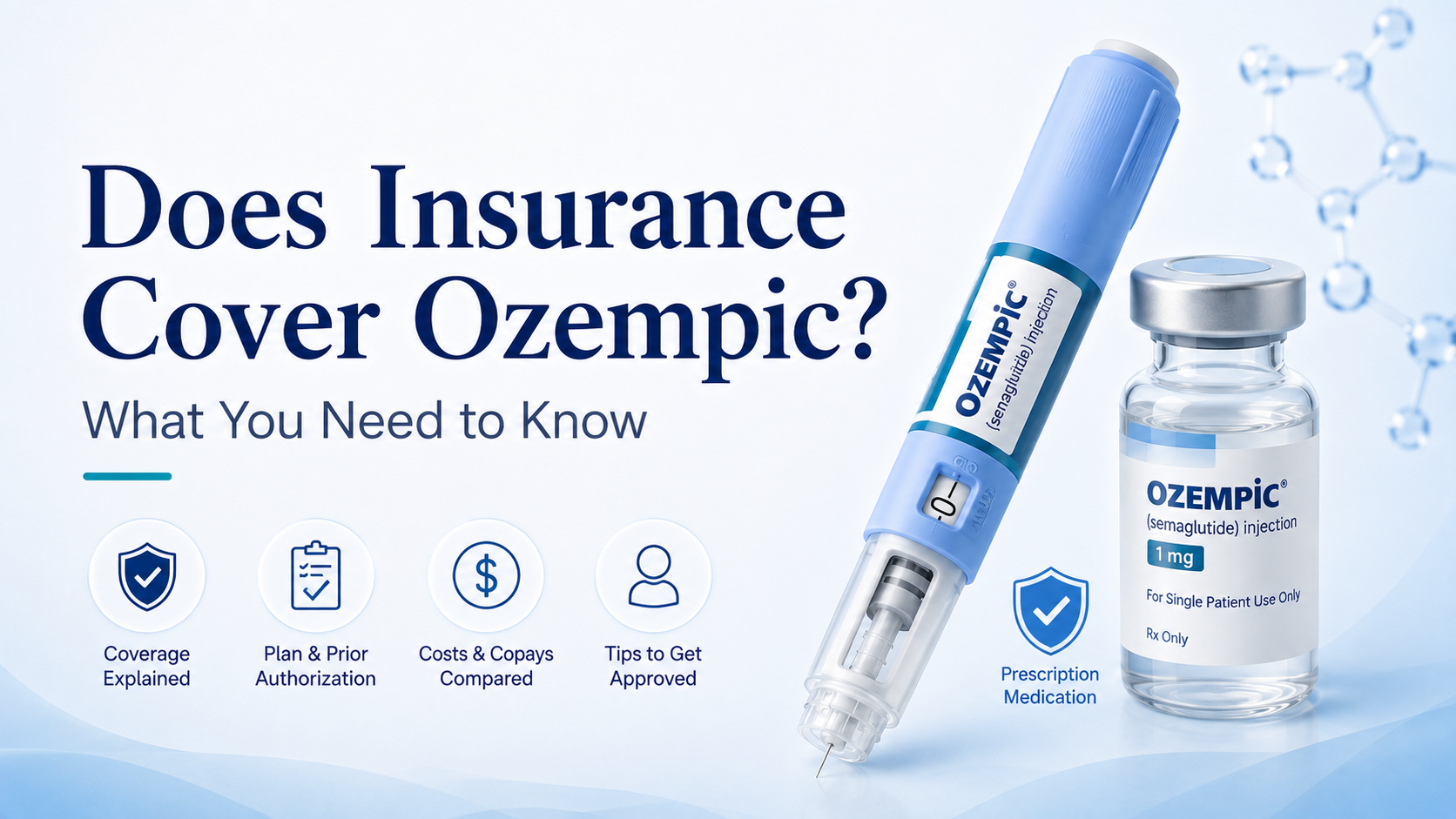
Does Insurance Cover Ozempic? What You Need to Know
If you have been searching for Ozempic coverage answers and feel like every page says “it depends,” you are not wrong to be frustrated. Insurance is more likely to cover Ozempic for type 2 diabetes, but it is often harder to get Ozempic covered for weight loss alone. The real answer depends on the diagnosis, your plan’s formulary, prior authorization rules, and what documentation your insurer requires.
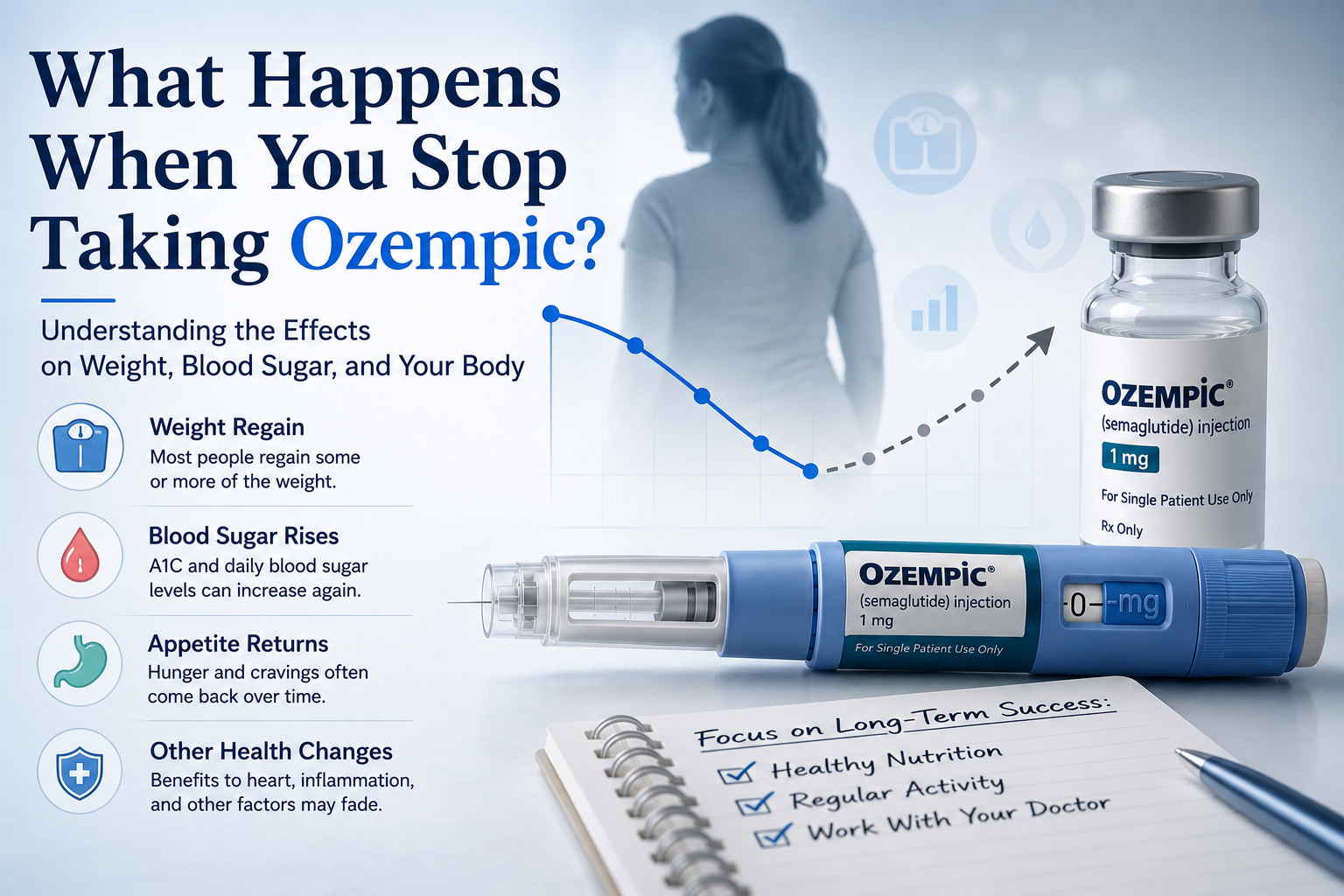
What Happens When You Stop Taking Ozempic?
Stopping Ozempic is not like turning off a light. The medication’s effects on appetite, fullness, digestion, and blood sugar can fade gradually, and the health patterns it was helping manage may start to return. The real question is not only what happens when you stop, but what plan is in place afterward.
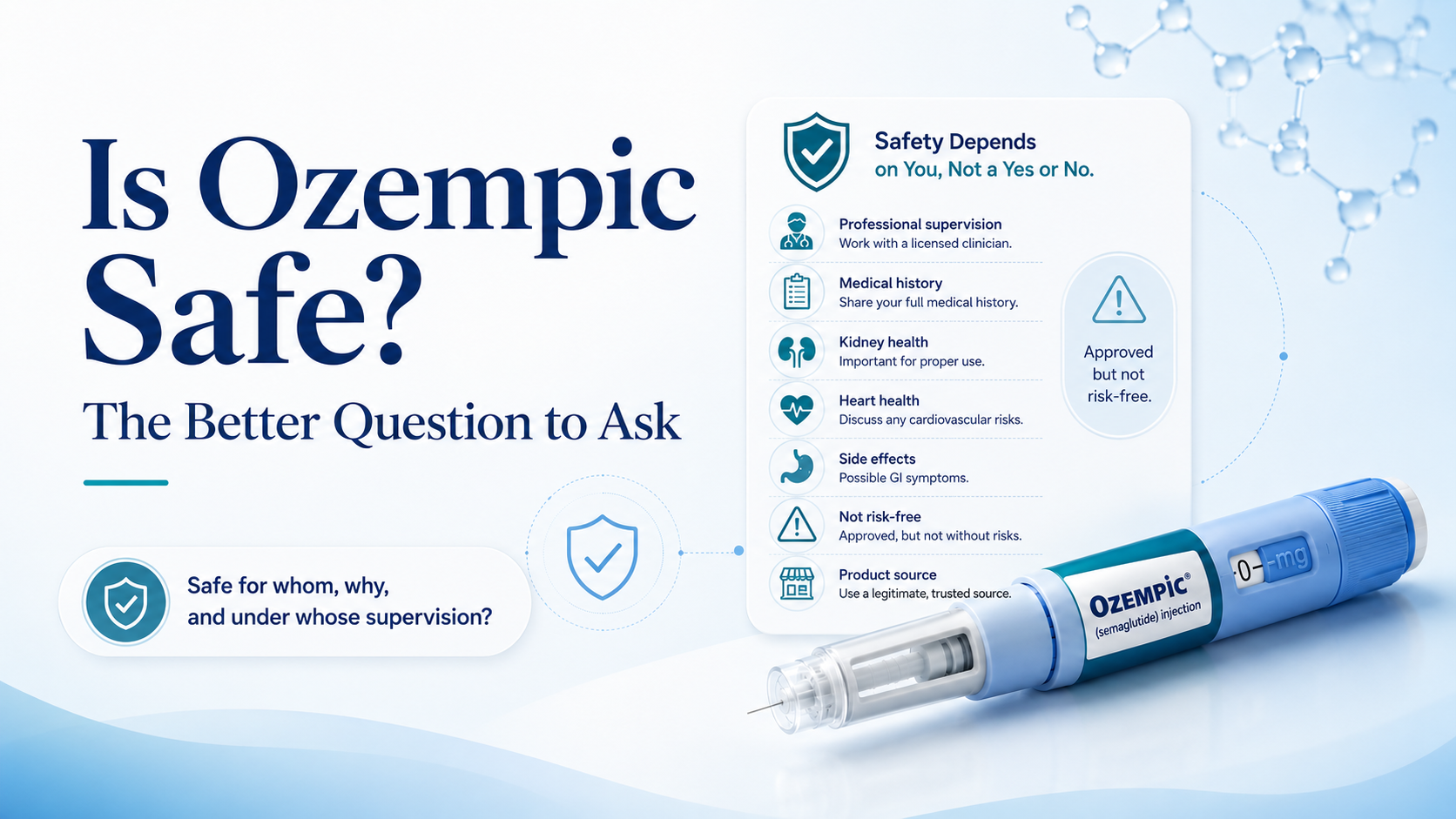
Is Ozempic Safe? The Better Question to Ask
The better question is not simply “Is Ozempic safe?” It is “safe for whom, for what reason, and under whose supervision?” Ozempic is an FDA-approved prescription medication, but approved does not mean risk-free. This plain-English guide explains the main safety issues people should understand before trusting a simple yes-or-no answer.
